Service – Medical Real Estate

Property & Facility Coverage
for Healthcare Enterprises

Specialized Property Coverage

Medical Facilities Require Specialized Property Coverage

Standard commercial real estate insurance was not designed for healthcare facilities. The exposures are categorically different.

Biological contamination, HVAC system failure, medical gas system rupture, regulatory shutdown by health authorities, and the catastrophic cost of medical equipment replacement demand an underwriting approach that general property insurers simply cannot provide. A contaminated surgical suite is not comparable to a flooded office – the decontamination requirements, regulatory protocols, and business interruption complexity are orders of magnitude more severe.

Our medical real estate insurance programs are built by underwriters who have spent decades in healthcare property risk. We understand the valuation of radiation-shielded construction, redundant power systems, sterile environment restoration, and the regulatory cascade that follows a health authority inspection failure.

Coverage applies to owned facilities, leased premises, and complex ownership structures including ground leases and healthcare REITs.

“When a hospital undergoes biological decontamination, the cleaning process itself creates additional regulatory liability. Our policies are designed to cover both the decontamination costs and the compliance consequences.”
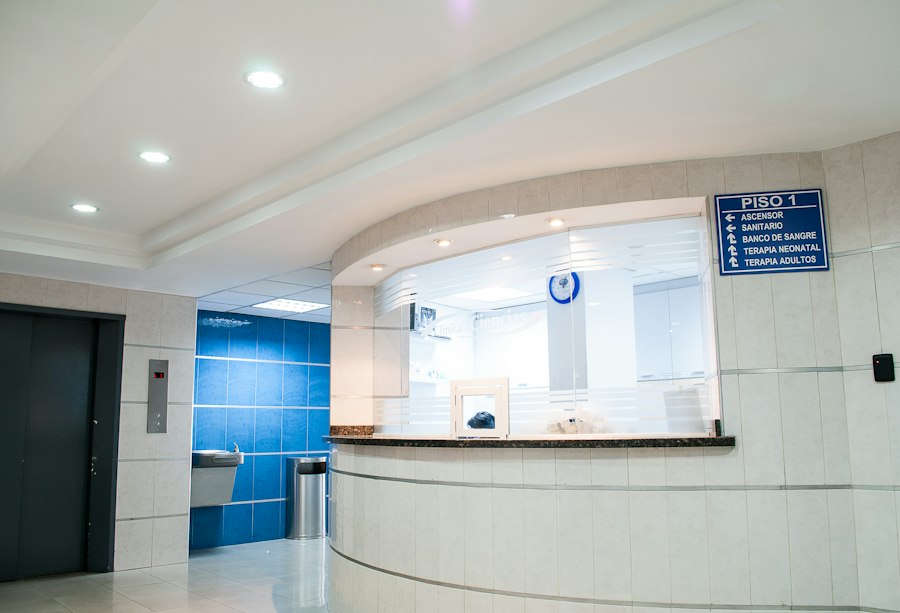
Medical facility exterior
Coverage Architecture

What We Cover

Coverage Type Description Owner vs. Tenant Notes
Biological Contamination Full facility decontamination costs following pathogen exposure, MRSA outbreak, or biohazard event. Includes CDC and health authority response costs. Both Including CDC/health authority response costs and temporary relocation for occupants during remediation.
Critical Systems Failure HVAC failure, electrical system failure, medical gas system rupture, or utility infrastructure breakdown causing operational shutdown. Both Emergency repair plus business interruption during restoration period.
Medical Equipment Loss Property damage to permanently installed medical equipment including MRI systems, CT scanners, surgical robots, and diagnostic infrastructure. Owner Primarily Replacement value basis with no depreciation applied. Leased equipment covered by separate endorsement.
Business Interruption Revenue loss during mandatory closure following any covered physical loss or contamination event. Includes extra expense coverage. Both Based on trailing 12-month gross revenue with extended indemnity period of up to 24 months.
Terrorism & Civil Unrest Physical damage from terrorism or civil unrest, including forced access denial and proximity damage. Both Available as standard coverage for high-risk geographic locations. Includes denial of access and ingress/egress coverage.
Regulatory Shutdown Revenue loss and remediation costs arising from mandatory closure ordered by a health authority or regulatory body. Both Covers both remediation costs and revenue replacement during the compliance restoration period.
Coverage Details

In Depth: Medical Real Estate Coverage

Medical facility construction is categorically more expensive to replace than standard commercial real estate. Radiation-shielded operating suites, sterile environment construction, medical gas plumbing, redundant power infrastructure, and specialized HVAC systems with high-efficiency filtration cannot be rebuilt at generic commercial construction rates.


Our building coverage for healthcare facilities is underwritten on an agreed-value or replacement cost basis that reflects actual healthcare construction rates, not commercial averages. This eliminates the coinsurance gap risk that frequently leaves healthcare property owners underinsured following a major loss.


Coverage applies to all permanently attached structures: main buildings, covered walkways, parking structures serving the facility, utility infrastructure, and ancillary buildings within the facility campus.

Healthcare facility contents range from standard office furniture to surgical robots exceeding $2 million per unit. Standard commercial contents policies are not designed for this value density or for the regulatory complexity of medical equipment documentation.


Our contents and equipment programs are structured with blanket limits and scheduled high-value items to ensure that both routine contents and major equipment are adequately covered. All equipment is insured at replacement value, not depreciated book value, ensuring operational restoration rather than partial recovery.


Equipment in transit, on loan to other facilities, or temporarily off-premises for repair can be covered under the same program through floater endorsements. Research equipment in clinical research environments is included by default where applicable.

Premises liability in a healthcare context extends far beyond slip-and-fall. Patient falls, exposure to infectious agents, medication administration on premises, and sharps disposal incidents create liability exposures that are unique to medical facilities and must be specifically underwritten.


Biological contamination coverage includes the cost of the decontamination process itself, CDC and health authority consultation fees, temporary facility relocation or closure costs, and the extended business interruption that follows a major contamination event. Decontamination of a fully contaminated sterile surgery suite can require six to eighteen weeks of closure – our policies are written to cover this reality.


Environmental liability coverage addresses pollution events, chemical spills from laboratory or pharmacy operations, and the regulatory compliance costs associated with environmental incidents at medical facilities.

Business income replacement for healthcare facilities requires careful valuation. Unlike commercial operations where revenue equals cash flow, healthcare revenue includes insurance reimbursements, capitation payments, and government reimbursement programs that continue partially during closure – and must be factored into coverage calculations appropriately.


Our business income programs are written on a gross revenue basis with adjustments for healthcare-specific revenue patterns. Extended period of indemnity provisions extend coverage beyond the physical restoration period to account for the time required to rebuild patient census, renegotiate managed care contracts, and restore accreditation status following a major loss event.


Extra expense coverage pays for the extraordinary costs of continuing operations during partial closures – renting temporary space, outsourcing services to third-party providers, expediting equipment replacement, and managing staff during operational transitions.

Ownership Structures

Owner vs. Tenant: Coverage Considerations

Healthcare real estate coverage requirements differ significantly based on ownership structure. Both owners and tenants face distinct – and overlapping – coverage needs.

Scenario A
Facility Owner
  • Building and structural coverage at healthcare replacement cost rates
  • Installed medical equipment at replacement value – no depreciation
  • Landlord liability for premises defects and building system failures
  • Full biological decontamination coverage including structural remediation
  • Rental income loss coverage during mandatory tenant closure periods
  • Ground lease and leasehold interest protection for complex ownership structures
Scenario B
Facility Tenant
  • Tenant improvements and betterments at replacement cost – typically 30–60% of total building value in healthcare
  • All movable and leased medical equipment
  • Business interruption for revenue loss during building-owner-caused closures
  • Contamination liability for events originating within the leased premises
  • Regulatory shutdown coverage for compliance events within tenant's operations
  • Lease obligation protection – rent continuation during unoccupied closure periods

Complex Ownership Structures

Healthcare real estate frequently involves complex ownership arrangements: ground leases, condominium structures, joint venture ownership between health systems and real estate investment trusts, sale-leaseback arrangements, and multi-tenant medical office buildings. Our underwriters are experienced in structuring coverage for all of these arrangements, ensuring that no gap exists between the building owner's policy and the operating tenant's policy – and that neither is inadvertently covering the other's exposure without appropriate premium allocation.

Coverage Element Owner Responsibility Tenant Responsibility Shared
Building shell & structure Primary Ground lease situations
Tenant improvements & betterments Optional Primary Agreed in lease terms
Installed/fixed medical equipment Primary (if owner-supplied) Primary (if tenant-supplied) As defined in lease
Movable equipment & furnishings Primary
Business interruption Rental income loss Revenue replacement Both parties have independent BI exposure
Biological contamination Structural decontamination Operational decontamination Typically shared; source-dependent
Regulatory shutdown Building code / licensing Operational licensing Depends on shutdown trigger
Facility Coverage Inquiry

Discuss Medical Facility Coverage

B2B corporate inquiries only. Our medical real estate specialists respond within 24 business hours.

Submit Corporate Inquiry